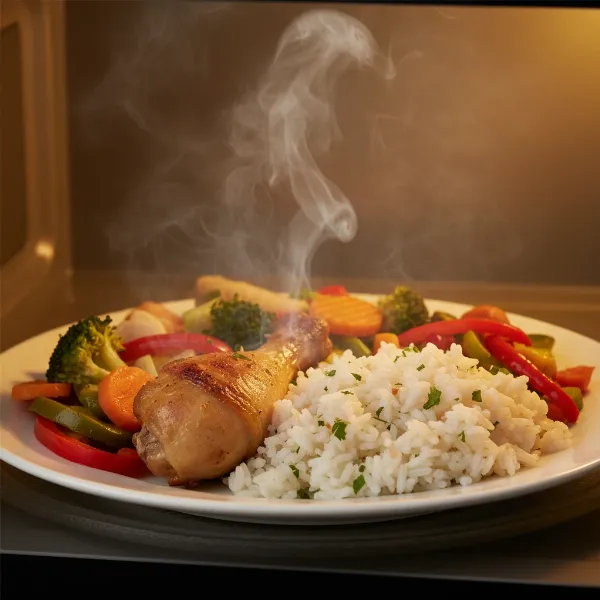
Have you ever pulled a plate from the microwave, only to find some parts steaming hot and others still surprisingly cold? Or perhaps your delicate fish turned rubbery, and defrosted meat began to cook around the edges. These common frustrations often stem from the way traditional microwave ovens operate. Fortunately, a revolutionary advancement known as inverter technology is transforming the microwave cooking experience, offering unparalleled precision and consistently superior results.
Microwave Ovens: A Foundation of Quick Cooking
Microwave ovens have long been kitchen staples, lauded for their speed and convenience in reheating, defrosting, and cooking. At their core, these appliances work by generating microwaves, a form of electromagnetic radiation, using a component called a magnetron. These waves cause water molecules within food to vibrate rapidly, generating heat and cooking the item from the inside out.
However, conventional microwaves have a notable limitation. When you select a power setting below 100%, they don’t actually reduce the power output. Instead, they cycle the magnetron on and off at full power for varying durations. For instance, a “50% power” setting means the microwave blasts food at full power for a period, then turns off for an equal period, repeating this cycle. This intermittent heating can lead to uneven cooking, overcooked edges, and cold spots, compromising both texture and flavor.
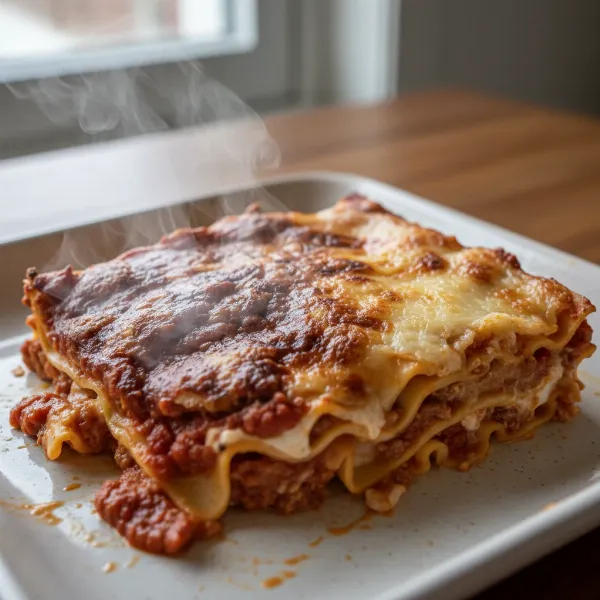 plate of food with visible hot and cold spots from traditional microwave heating
Decoding Inverter Technology: The Core Difference
Inverter technology represents a significant leap forward in microwave oven design, fundamentally changing how power is delivered. Unlike traditional microwaves that rely on an “on-off” pulsing method, inverter microwaves provide a continuous, steady stream of power at the precise level you select. If you set an inverter microwave to 50% power, it delivers 50% power consistently throughout the cooking cycle, rather than cycling between full power and no power.
This continuous power output is achieved by replacing the bulky, conventional transformer with an advanced inverter circuit board. This circuit converts the incoming line frequency to a variable rate, allowing for precise, linear control of the magnetron’s power output. The result is a more sophisticated and efficient system that maintains a constant microwave energy flow, ensuring food is cooked more evenly and gently.
Why Inverter Technology Elevates Your Cooking: Key Benefits
The continuous and precise power delivery of inverter technology brings a host of advantages that dramatically improve the quality of your microwave cooking.
Unparalleled Even Heating
|
Our Picks for the Best Microwave oven in 2026
As an Amazon Associate I earn from qualifying purchases.
|
||
| Num | Product | Action |
|---|---|---|
| 1 | COMFEE' Retro Small Microwave Oven With Compact Size, 9 Preset Menus, Position-Memory Turntable, Mute Function, Countertop Perfect For Spaces, 0.7 Cu Ft/700W, Cream, AM720C2RA-A |

|
| 2 | GASLAND 30 Inch Over-the-Range Microwave Oven, 1.7 Cu.Ft Over Stove Microwave, 1000W with 10 Power Levels, Sensor & One-Touch Cooking, 300 CFM Venting, LED Cooktop Light, Black Kitchen Microwave |
|
| 3 | COMFEE' Retro Small Microwave Oven With Compact Size, 9 Preset Menus, Position-Memory Turntable, Mute Function, Countertop, Perfect For Small Spaces, 0.7 Cu Ft/700W, Red, AM720C2RA-R |
|
| 4 | COMFEE CMO-C20M1WH Retro Microwave with 11 power levels, Fast Multi-stage Cooking, Turntable Reset Function Kitchen Timer, Speedy Cooking, Weight/Time Defrost, Memory function, Children Lock, 700W |
|
| 5 | TOSHIBA EM131A5C-SS Countertop Microwave Ovens 1.2 Cu Ft with 12.4" Removable Turntable Smart Humidity Sensor, 12 Auto Menus Mute Function ECO Mode Easy Clean Interior, 1000W, Silver |
|
| 6 | Chefman Countertop Microwave Oven 0.7 Cu. Ft., 700 Watts with 10 Power Levels, 6 Cooking Presets with One-Touch Express Cook, Eco Mode, Child Safety Lock, & Mute Button - Black |
|
| 7 | COMFEE' Retro Small Microwave Oven With Compact Size, 9 Preset Menus, Position-Memory Turntable, Mute Function, Countertop Microwave For Small Spaces, 0.7 Cu Ft/700W, Green, AM720C2RA-G |
|
| 8 | TOSHIBA EM131A5C-BS Countertop Microwave Ovens 1.2 Cu Ft, 12.4" Removable Turntable Smart Humidity Sensor 12 Auto Menus Mute Function ECO Mode Easy Clean Interior Black Color 1000W |
|
| 9 | COMFEE' EM720CPL-PMB Countertop Microwave Oven with Sound On/Off, ECO Mode and Easy One-Touch Buttons, 0.7cu.ft, 700W, Black |
|
| 10 | BLACK+DECKER EM720CB7 Digital Microwave Oven with Turntable Push-Button Door, Child Safety Lock, 700W, Stainless Steel, 0.7 Cu.ft |
|
One of the most significant benefits of inverter technology is its ability to eliminate the notorious hot and cold spots common in traditional microwaves. By providing a constant stream of energy, food heats uniformly from the center to the edges. This means no more discovering a piping hot exterior with a still-chilled core, ensuring every bite is perfectly warmed or cooked.
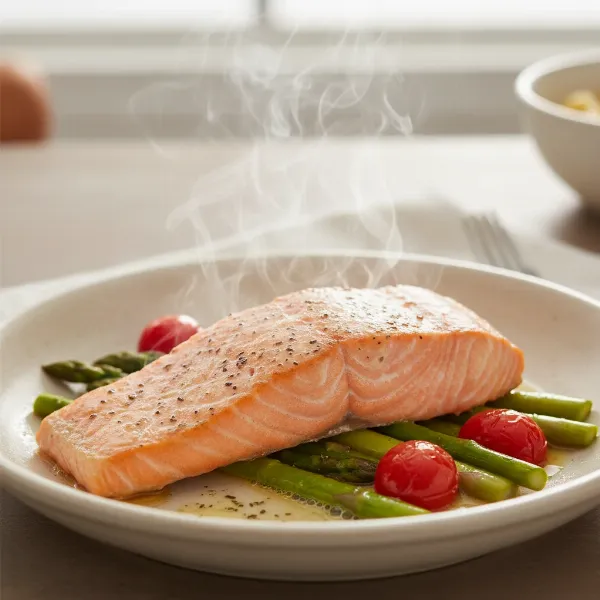 perfectly cooked dish, uniformly heated, with steam evenly distributed, showcasing inverter technology
Preserving Flavor and Texture
The gentle, consistent heat from an inverter microwave is crucial for maintaining the natural moisture, flavor, and texture of your food. Delicate items such as fish, vegetables, or sauces are less likely to dry out, overcook, or become rubbery. It’s particularly beneficial for tasks like melting chocolate or butter, as the steady power prevents scorching and splattering that can occur with conventional microwaves.
Effortless, Uniform Defrosting
Defrosting in a traditional microwave often leads to partially cooked edges while the center remains frozen. Inverter technology excels here by delivering a consistent, low-power stream that thaws food thoroughly and gently, without initiating the cooking process. This preserves the integrity of the food, making it easier to prepare once defrosted.
Faster and More Efficient Performance
Inverter technology optimizes energy utilization, allowing for more efficient cooking. This can translate to reduced cooking times for many dishes, getting your meals on the table quicker without compromising quality.
Enhanced Nutrient Retention
By ensuring food is cooked evenly and gently, inverter technology helps to preserve more of the natural vitamins and minerals within your ingredients. The stabilized power prevents overcooking, which can degrade sensitive nutrients, contributing to healthier meals.
Compact Design and Greater Capacity
The replacement of a large, heavy transformer with a smaller, lighter inverter circuit board not embodies makes the appliance more efficient but also often allows for a more compact exterior design or a larger internal cooking cavity within the same footprint.
“Inverter microwave ovens provide consistent and even heating by continuously adjusting power levels, unlike conventional microwaves that cycle between full and no power.” – Town Appliance, Kitchen Appliance Experts
Top Brands Embracing Inverter Microwave Innovation
Several leading appliance manufacturers have adopted inverter technology, integrating it into their microwave oven lines to offer consumers a superior cooking experience. Brands such as Panasonic, LG, and GE are well-known for their inverter models, often pairing this core technology with other advanced features like sensor cooking and precise auto-cook menus. When exploring these brands, you’ll find a commitment to durability, user-friendly interfaces, and a variety of capacities and designs to fit diverse kitchen needs.
Choosing Your Ideal Inverter Microwave Oven
Selecting the right inverter microwave involves more than just recognizing the technology. Consider the following factors to ensure it perfectly matches your lifestyle:
- Wattage: Higher wattage generally means faster cooking. Inverter microwaves often perform very efficiently even at moderate wattages due to their consistent power delivery.
- Capacity: Think about your household size and typical cooking needs. Sizes range from compact models perfect for single servings to larger units accommodating family meals.
- Specific Features: Look for features that enhance convenience, such as sensor cooking (which automatically adjusts cooking time based on food moisture), advanced defrost programs, and pre-set menus optimized for various dishes.
- Price and Design: While inverter microwaves may have a higher upfront cost than conventional models, their benefits in cooking quality and efficiency can justify the investment. Choose a design that complements your kitchen aesthetic.
- User Reviews: Always consult customer reviews for insights into real-world performance, reliability, and satisfaction with specific inverter models.
Maximizing Your Inverter Microwave’s Potential: Advanced Features
Inverter technology naturally enhances many of the convenient features found in modern microwaves. Sensor cooking, for example, becomes even more accurate as the microwave can precisely modulate power based on steam detection, preventing over or undercooking. Advanced defrosting programs work seamlessly with continuous low power, ensuring uniformly thawed food. Delicate tasks like melting butter, proofing dough, or simmering sauces benefit immensely from the precise, stable heat, expanding the versatility of your microwave beyond simple reheating.
Care and Longevity: Keeping Your Inverter Microwave Pristine
Maintaining your inverter microwave is similar to caring for any other microwave oven. Regular cleaning of the interior with a damp cloth and mild soap prevents food buildup and odors. For stubborn stains, a bowl of water with lemon slices microwaved for a few minutes can create steam, making residue easier to wipe away. Ensure the appliance is placed on a stable, level surface with adequate ventilation to allow for proper airflow. With proper care, your inverter microwave can provide years of reliable, high-quality cooking.
Safety First: Essential Microwave Oven Precautions
While inverter technology enhances cooking, standard microwave safety practices remain paramount.
- Never use metal containers, aluminum foil, or dishes with metallic trim, as these can cause arcing and damage the oven.
- Always use microwave-safe dishes made of glass, ceramic, or plastic.
- Avoid heating sealed containers, as pressure buildup can cause them to burst.
- Ensure proper ventilation around the appliance as specified by the manufacturer.
- Do not attempt to operate the microwave if the door is damaged or does not close properly.
Conclusion: The Future of Microwave Cooking is Here
Inverter technology has redefined what’s possible with a microwave oven, moving beyond mere reheating to offer a level of precision cooking previously unattainable. By providing a continuous, consistent stream of power, it addresses the core limitations of conventional models, delivering dishes that are evenly cooked, rich in flavor, and retain their natural texture and nutrients. Investing in an inverter microwave means upgrading not just an appliance, but your entire quick-cooking experience.
Ready to transform your kitchen and taste the difference? An inverter microwave could be the intelligent upgrade your culinary adventures deserve. What dish will you perfect first with its consistent power and precision?
Frequently Asked Questions
Are inverter microwaves worth the extra cost?
While inverter microwaves typically have a higher initial price, many users find the investment worthwhile due to the significant improvements in cooking quality, even heating, superior defrosting, and potential energy efficiency benefits over their lifespan.
How can I tell if a microwave has inverter technology?
Most manufacturers prominently feature “Inverter Technology” on the appliance’s exterior, packaging, and in its product specifications. Look for a clear label or description indicating this feature.
Do inverter microwaves use less electricity?
Yes, generally. By delivering consistent, variable power rather than cycling full power on and off, inverter microwaves use energy more efficiently. This can lead to reduced electricity consumption and potentially lower utility bills over time.
Can inverter microwaves cook faster?
Due to their efficient and continuous power delivery, inverter microwaves can often cook and defrost foods more quickly and thoroughly than conventional models, without compromising quality.
What foods benefit most from inverter technology?
Delicate foods like fish, vegetables, and sauces benefit greatly from the gentle, even heat. It’s also excellent for melting sensitive items like chocolate and butter, and for uniformly defrosting meats without partially cooking them.