Choosing a new microwave oven often involves considering a range of features, from power levels to preset functions. Yet, one critical aspect that profoundly impacts your daily use, longevity, and even cooking efficiency is the material of its interior cavity. The two most common options you’ll encounter are ceramic enamel and stainless steel, each offering distinct advantages and considerations. Understanding the nuances between them is key to selecting a microwave that not only meets your culinary needs but also fits seamlessly into your lifestyle and budget. Let’s delve into the specifics of these popular interior finishes to help you make an informed decision for your kitchen.
Understanding Microwave Oven Interiors
The interior lining of your microwave oven isn’t just for aesthetics; it plays a vital role in how the appliance performs. The material directly influences microwave reflection, heat distribution, ease of cleaning, durability, and even hygiene. Efficient reflection of electromagnetic waves ensures food heats evenly and quickly, while a durable and easy-to-clean surface is crucial for maintaining a sanitary cooking environment and extending the life of your appliance. Beyond ceramic enamel and stainless steel, some budget models may feature a simple painted metal interior, which typically offers less durability and can be prone to chipping or staining over time.
Ceramic Enamel Interiors: Pros and Cons
Ceramic enamel interiors are a popular choice, particularly in many modern microwaves. This material features a smooth, non-porous coating that’s baked onto a metal base.
Advantages of Ceramic Enamel
- Effortless Cleaning: The exceptionally smooth and non-porous surface of ceramic enamel makes it incredibly easy to wipe clean. Spills and splatters typically don’t stick or stain, allowing for quick and efficient cleanup.
- High Scratch Resistance: Ceramic enamel is quite resistant to scratches from everyday use, such as moving dishes in and out, which helps maintain its pristine appearance over time.
- Hygienic Properties: Its non-porous nature makes ceramic enamel highly resistant to bacterial growth and odor absorption, contributing to a more hygienic cooking environment.
- Durability Against Discoloration: This material is less prone to discoloring or fading, even after years of use, helping your microwave retain its fresh look.
|
Our Picks for the Best Microwave oven in 2026
As an Amazon Associate I earn from qualifying purchases.
|
||
| Num | Product | Action |
|---|---|---|
| 1 | COMFEE' EM720CPL-PMB Countertop Microwave Oven with Sound On/Off, ECO Mode and Easy One-Touch Buttons, 0.7cu.ft, 700W, Black |

|
| 2 | COMFEE CMO-C20M1WH Retro Microwave with 11 power levels, Fast Multi-stage Cooking, Turntable Reset Function Kitchen Timer, Speedy Cooking, Weight/Time Defrost, Memory function, Children Lock, 700W |
|
| 3 | COMFEE' Retro Small Microwave Oven With Compact Size, 9 Preset Menus, Position-Memory Turntable, Mute Function, Countertop Microwave For Small Spaces, 0.7 Cu Ft/700W, Green, AM720C2RA-G |
|
| 4 | TOSHIBA EM131A5C-SS Countertop Microwave Ovens 1.2 Cu Ft with 12.4" Removable Turntable Smart Humidity Sensor, 12 Auto Menus Mute Function ECO Mode Easy Clean Interior, 1000W, Silver |
|
| 5 | TOSHIBA EM131A5C-BS Countertop Microwave Ovens 1.2 Cu Ft, 12.4" Removable Turntable Smart Humidity Sensor 12 Auto Menus Mute Function ECO Mode Easy Clean Interior Black Color 1000W |
|
| 6 | GASLAND 30 Inch Over-the-Range Microwave Oven, 1.7 Cu.Ft Over Stove Microwave, 1000W with 10 Power Levels, Sensor & One-Touch Cooking, 300 CFM Venting, LED Cooktop Light, Black Kitchen Microwave |
|
| 7 | COMFEE' Retro Small Microwave Oven With Compact Size, 9 Preset Menus, Position-Memory Turntable, Mute Function, Countertop, Perfect For Small Spaces, 0.7 Cu Ft/700W, Red, AM720C2RA-R |
|
| 8 | BLACK+DECKER EM720CB7 Digital Microwave Oven with Turntable Push-Button Door, Child Safety Lock, 700W, Stainless Steel, 0.7 Cu.ft |
|
| 9 | Chefman Countertop Microwave Oven 0.7 Cu. Ft., 700 Watts with 10 Power Levels, 6 Cooking Presets with One-Touch Express Cook, Eco Mode, Child Safety Lock, & Mute Button - Black |
|
| 10 | COMFEE' Retro Small Microwave Oven With Compact Size, 9 Preset Menus, Position-Memory Turntable, Mute Function, Countertop Perfect For Spaces, 0.7 Cu Ft/700W, Cream, AM720C2RA-A |
|
Disadvantages of Ceramic Enamel
- Brittleness: While scratch-resistant, ceramic enamel can be brittle. A hard impact from a dropped dish or heavy container might lead to chipping or cracking.
- Rust Potential: If the enamel coating chips, the exposed underlying metal (often carbon steel) can become vulnerable to rust, especially with consistent exposure to moisture and steam from cooking.
- Heat Reflection: Some argue that ceramic enamel might not reflect microwaves as efficiently as stainless steel, potentially leading to slightly slower heating times compared to its metallic counterpart.
Ceramic enamel interiors are an excellent choice for individuals who prioritize easy, quick cleaning and a surface that resists everyday scratches, provided they handle dishes with reasonable care to avoid impacts.
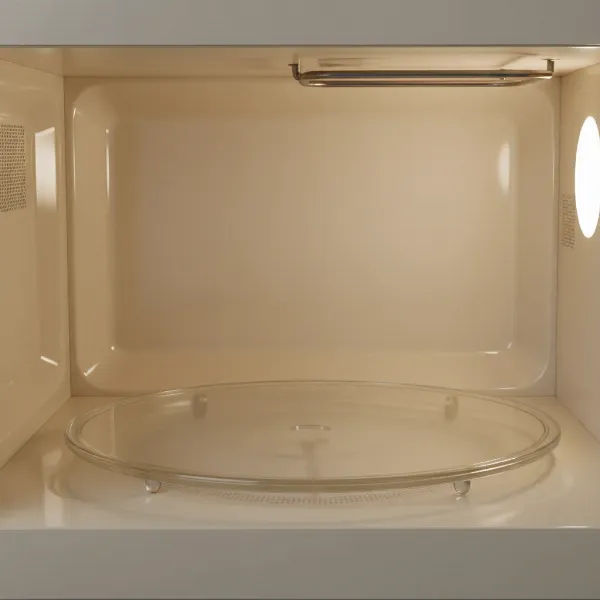 Smooth, light-colored ceramic enamel microwave interior with a rotating plate
Stainless Steel Interiors: Pros and Cons
Stainless steel offers a sleek, professional look that complements many modern kitchens, and its performance benefits are equally compelling.
Advantages of Stainless Steel
- Exceptional Durability: Stainless steel is renowned for its robustness and flexibility, making it highly resistant to chipping and cracking from impacts. It’s built to last and withstand heavy use.
- Superior Heat Distribution: Stainless steel is an excellent reflector of microwaves, which can contribute to faster and more even cooking results. This efficiency ensures your food is heated thoroughly without cold spots.
- Premium Aesthetic: The polished, metallic finish of stainless steel lends a high-end, contemporary look to any microwave oven, often found in more premium models.
- Odor and Stain Resistance: Like ceramic enamel, stainless steel is non-porous, making it highly resistant to absorbing food odors and staining, which helps maintain a fresh interior.
- Non-Reactive: Stainless steel is a non-reactive material, ensuring it won’t leach chemicals or react with food, making it a very food-safe option.
“Stainless steel microwave cavities are a favorite among professional chefs not just for their aesthetic appeal, but for their superior heat reflection, which translates to quicker, more consistent cooking results.” – Chef Elena Rodriguez, Culinary Technology Expert
Disadvantages of Stainless Steel
- Visible Scratches: While durable against chipping, stainless steel surfaces can be prone to showing visible scratches, especially from abrasive cleaning or sharp objects, though these are often cosmetic and don’t affect performance.
- Fingerprints and Smudges: The highly reflective surface tends to show fingerprints, smudges, and watermarks more readily, requiring more frequent wiping to maintain its pristine appearance.
- Cleaning Baked-on Food: While generally easy to clean, baked-on food or stubborn stains might require a bit more effort to remove from a stainless steel interior compared to the slicker ceramic enamel.
- Higher Cost: Microwaves with stainless steel interiors typically come with a higher price tag due to the material cost and manufacturing processes involved.
Stainless steel interiors are ideal for users seeking maximum durability, efficient cooking performance, and a professional aesthetic, and who are willing to perform a bit more frequent surface wiping.
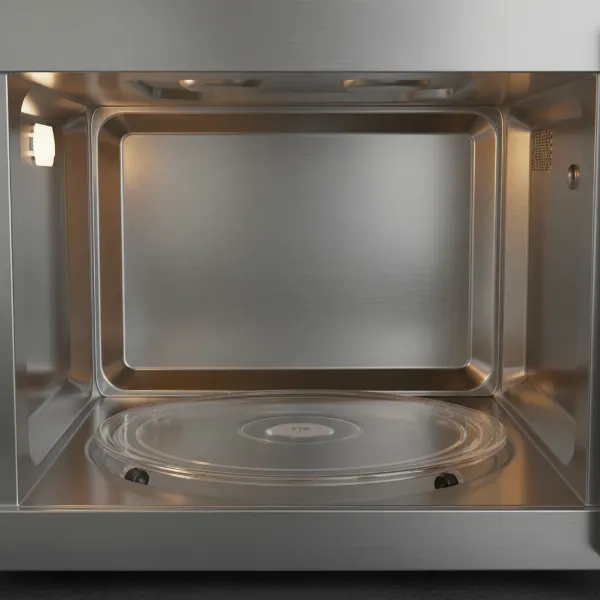 Sleek, reflective stainless steel microwave interior with a modern aesthetic
Detailed Comparison: Ceramic Enamel vs. Stainless Steel
To help you visualize the differences, here’s a side-by-side comparison of ceramic enamel and stainless steel microwave interiors:
| Feature | Ceramic Enamel Interior | Stainless Steel Interior |
|---|---|---|
| Durability | Good, but prone to chipping/cracking on hard impact; rust risk if chipped. | Excellent against impacts; can show cosmetic scratches. |
| Cleaning | Very easy; smooth, non-porous surface. | Easy, but shows smudges/fingerprints; baked-on food might need more effort. |
| Scratch Resistance | High (for everyday abrasion) | Lower (can show visible scratches, though material remains intact). |
| Odor Resistance | High | High |
| Cooking Efficiency | Good; generally even heating. | Excellent reflection, often leading to faster and more even heating. |
| Aesthetics | Smooth, often lighter in color. | Sleek, modern, professional, reflective. |
| Cost | Generally more affordable | Typically commands a higher price point |
| Maintenance | Wipe clean; avoid heavy impacts. | Wipe clean with microfiber; avoid abrasive cleaners to preserve shine. |
Choosing the Right Microwave Interior for You
Deciding between ceramic enamel and stainless steel ultimately comes down to your personal priorities, cooking habits, and budget.
- Consider Your Budget: If you’re working with a tighter budget, ceramic enamel models often offer a more affordable entry point while still providing excellent hygiene and ease of cleaning. Stainless steel interiors are typically found in mid-range to high-end appliances.
- Assess Your Cooking Habits: For heavy users who frequently heat or cook a variety of foods, the superior durability and efficient heating of stainless steel might be a worthwhile investment. If your microwave use is lighter, focused mainly on reheating, ceramic enamel is likely sufficient.
- Evaluate Maintenance Preference: If you prefer a “wipe and go” cleaning routine with minimal effort, ceramic enamel’s smooth surface is exceptionally forgiving. If you don’t mind a bit more frequent wiping to combat fingerprints and are careful with abrasive cleaning, stainless steel offers a resilient choice.
- Match Your Kitchen Aesthetic: Stainless steel provides a contemporary, integrated look that matches other modern appliances. Ceramic enamel interiors often have a softer, sometimes lighter appearance that can blend into various kitchen styles.
Tips for Maintaining Your Microwave Interior
Regardless of the interior material, proper maintenance is crucial for extending the life of your microwave and ensuring hygienic operation.
- Wipe Up Spills Immediately: Fresh spills are always easier to clean. For ceramic enamel, a damp cloth is usually all you need. For stainless steel, a damp microfiber cloth followed by a dry one helps prevent streaks.
- Use Microwave-Safe Covers: Covering your food prevents splatters, significantly reducing the amount of cleaning required for both types of interiors.
- Regular Deep Cleaning: Mix equal parts water and white vinegar in a microwave-safe bowl. Heat for 3-5 minutes until the window is steamy. Let it sit for 5 minutes, then wipe down the interior. This helps loosen grime and neutralize odors.
- Avoid Abrasive Cleaners: Harsh chemicals, scouring pads, or abrasive cleaners can damage both ceramic enamel and stainless steel finishes. Stick to mild dish soap or specialized microwave cleaners.
- Never Use Metal Utensils or Cookware: This is a universal rule for all microwaves, as metal can cause arcing and damage the appliance.
Conclusion: Making Your Informed Choice
Both ceramic enamel and stainless steel offer excellent qualities for microwave oven interiors. Ceramic enamel excels in its easy-to-clean, scratch-resistant surface, making it a hygienic and low-maintenance choice, though it requires care to prevent chipping. Stainless steel stands out for its robust durability, superior cooking efficiency, and sleek aesthetic, ideal for intensive use and a modern kitchen, despite its potential for visible scratches and smudges.
Ultimately, your ideal microwave interior depends on balancing your budget, aesthetic preferences, and how you typically use the appliance. Consider what matters most to you: effortless, low-impact cleaning or long-term structural resilience and potentially faster cooking. Which interior will best serve your culinary adventures for years to come?
Frequently Asked Questions
Is ceramic enamel safer or healthier than stainless steel for a microwave interior?
Both ceramic enamel and stainless steel are considered safe and hygienic materials for microwave interiors. Ceramic enamel is non-porous, resisting bacterial growth and odors. Stainless steel is a non-reactive, food-grade material that does not degrade or leach substances into food. Neither poses a health risk when properly maintained.
Which microwave interior is easier to clean, ceramic enamel or stainless steel?
Ceramic enamel interiors are generally considered easier to clean due to their exceptionally smooth, non-porous surface which prevents food from sticking. Spills typically wipe away effortlessly with a damp cloth. Stainless steel is also easy to clean, but may show fingerprints and require more effort for stubborn, baked-on food due to its texture and reflective properties.
Does stainless steel rust inside a microwave oven?
High-quality stainless steel interiors are designed to be rust-resistant. However, prolonged exposure to moisture, especially in areas where the protective layer might be compromised by deep scratches or harsh chemicals, could potentially lead to minor surface corrosion. Genuine stainless steel is much less prone to rust than painted metal interiors.
Do ceramic enamel microwaves last long?
Yes, ceramic enamel microwaves can be very durable and last for many years if properly cared for. Their smooth surface is resistant to daily wear and tear. The main factor affecting their longevity is preventing hard impacts that could chip the enamel, as a chip could expose the underlying metal to rust and lead to further deterioration.
Can I use abrasive cleaners on microwave interiors made of ceramic enamel or stainless steel?
No, it is strongly advised to avoid abrasive cleaners, scouring pads, or harsh chemical detergents on both ceramic enamel and stainless steel microwave interiors. Abrasives can scratch the surface of stainless steel and dull its finish, while they can wear down or damage the smooth coating of ceramic enamel, making it more prone to sticking and discoloration. Stick to mild soap and water or specialized microwave cleaners.