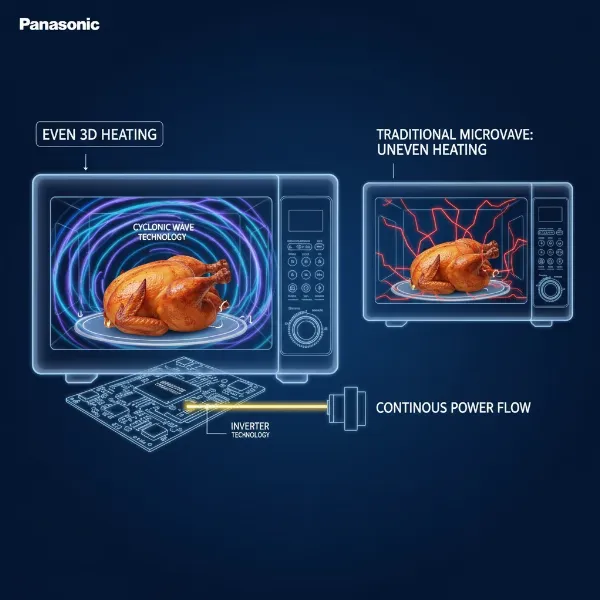
Microwave ovens have long been kitchen staples, offering quick solutions for reheating leftovers and preparing simple meals. However, the common frustration of unevenly heated food—scorched edges and icy centers—has often overshadowed their convenience. This challenge is precisely what sensor cooking technology aims to solve, transforming your microwave into a smarter, more efficient cooking companion. If you’re looking to elevate your kitchen experience and say goodbye to the guesswork, understanding the best microwaves equipped with this innovative feature is a game-changer.
This comprehensive guide will delve into what sensor cooking is, how it works, and its myriad benefits. We’ll explore top models and brands that excel in this technology, provide crucial factors for choosing the perfect microwave for your home, and offer essential tips for maintenance and safe usage, ensuring you make an informed decision for a more effortless cooking journey.
What is a Microwave Oven?
A microwave oven is a kitchen appliance that heats food by exposing it to electromagnetic radiation in the microwave frequency range. Unlike traditional ovens that transfer heat externally, microwaves generate heat within the food itself by causing water and fat molecules to vibrate rapidly. This revolutionary method, first commercialized in 1947 by Percy Spencer of Raytheon, transformed how quickly and conveniently we could prepare meals. From its accidental discovery to today’s advanced models, the microwave oven has evolved significantly, offering various features beyond simple heating.
How Does Sensor Cooking Work?
Sensor cooking is an intelligent feature that eliminates the need for manual time and power adjustments, often saving you from overcooked or undercooked results. This technology relies on built-in sensors, typically humidity or steam sensors, that monitor the moisture levels released from your food as it heats.
Here’s a breakdown of the process:
- Moisture Detection: As food cooks, it releases steam and moisture into the microwave cavity. The internal sensor detects these changes in humidity.
- Automatic Adjustment: Based on the detected moisture levels, the microwave’s internal computer automatically adjusts the cooking time and power settings. For example, if the sensor detects a high level of steam quickly, it might reduce the power or shorten the cooking cycle to prevent overcooking.
- Optimal Doneness: The microwave continues to monitor the steam until it determines the food has reached its optimal level of doneness. Once achieved, it automatically stops the cooking process or prompts you to check the food.
For best results, it is generally recommended to cover foods with a loose-fitting, microwave-safe lid during sensor cooking. This allows moisture to escape while still containing enough steam for the sensor to accurately gauge doneness, preventing your food from drying out.
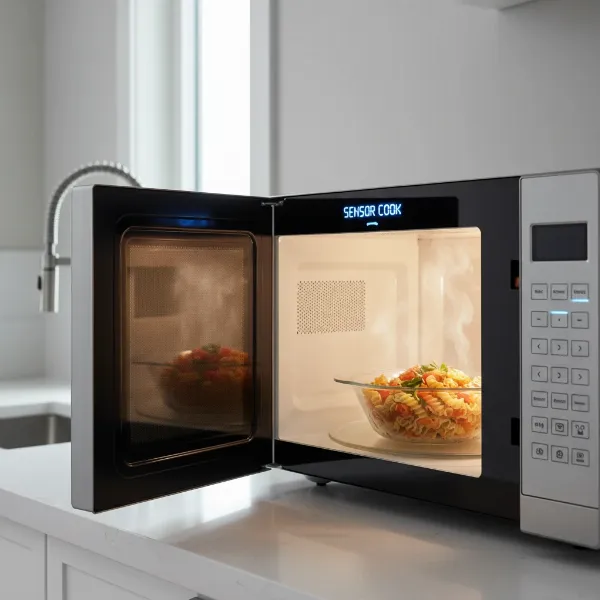 A modern microwave oven utilizing sensor technology to detect steam for precise cooking.
Benefits of Sensor Cooking Technology
Integrating sensor cooking into your microwave offers a host of advantages that enhance the overall cooking experience:
- Consistent Cooking Results: By automatically adjusting cooking time and power, sensor cooking helps achieve uniform heating, significantly reducing the risk of cold spots or overly cooked edges. This means your food is heated through evenly every time.
- Prevents Overcooking and Undercooking: This is perhaps the most significant benefit. The sensor acts as a vigilant monitor, stopping the cooking process precisely when the food is done, preventing dishes from drying out or becoming rubbery.
- Time-Saving and Convenience: Sensor cooking takes the guesswork out of meal preparation. You no longer need to consult recipes for exact cooking times or constantly check on your food, freeing you to focus on other tasks. It streamlines the process, making it incredibly user-friendly.
- Enhanced Flavor and Texture: By cooking food evenly and to the right doneness, sensor technology helps retain the natural taste and texture of your dishes, ensuring they are as delicious as intended.
- Nutrient Preservation: Precise cooking times can help in retaining the food’s nutritional value, as excessive heating can degrade certain vitamins and minerals.
- Energy Efficiency: Optimizing cooking times means the microwave runs only as long as necessary, leading to reduced energy consumption and potentially lower utility bills.
- Improved Defrosting: Some advanced sensor systems can even detect ice melt during defrosting, adjusting power to prevent premature cooking of the outer layers while ensuring the interior thaws thoroughly.
Types of Microwave Ovens
Microwave ovens come in several configurations, each suited for different kitchen layouts and needs. Sensor cooking technology is available across most types, enhancing their functionality.
- Countertop Microwaves: These are the most common and portable type, designed to sit on your kitchen counter. They are easy to install—just plug them in. Sensor cooking makes these units incredibly versatile for daily reheating and cooking tasks.
- Over-the-Range (OTR) Microwaves: These units are installed above your stove, combining a microwave with a range hood for ventilation. They save counter space and often come with higher wattage and advanced features, including robust sensor cooking programs for various foods.
- Built-in Microwaves: Designed for seamless integration into cabinetry or a wall, these microwaves offer a sleek, custom look. They often require a trim kit for a polished finish and typically feature sophisticated controls and sensor cooking capabilities, making them a premium choice for modern kitchens.
- Convection Microwaves: These hybrid appliances combine microwave technology with convection oven capabilities, allowing for baking, roasting, and crisping in addition to standard microwave functions. Many high-end convection microwaves incorporate sensor cooking to optimize results across all cooking modes, offering exceptional versatility.
- Microwave Drawers: These are built into lower cabinetry, sliding open like a drawer. They are an ergonomic choice and often include advanced features like sensor cooking, ideal for those seeking a minimalist kitchen design or easier access.
Top Brands and Models with Sensor Cooking Technology
When choosing a microwave with sensor cooking, several brands consistently receive high marks for their performance and reliability. Here’s a look at some leading contenders and what makes them stand out:
| Brand/Model | Type | Capacity (cu. ft.) | Wattage | Key Sensor Features | Notable Aspects | Price Range |
|---|---|---|---|---|---|---|
| Toshiba EM131A5C-BS | Countertop | 1.2 | 1100 | Sensor Reheat, Humidity Sensor | Excellent value, consistent performance, good for popcorn, easy to clean. | Budget |
| Panasonic NN-SD975S (Cyclonic Wave Inverter Technology) | Countertop | 2.2 | 1250 | Over 20 preset sensor-cooking/reheating functions (pasta, potatoes, grains, frozen veggies), Genius Sensor | Large capacity, Cyclonic Wave Inverter for even heating, versatile, keeps food warm. | Mid-High |
| Farberware with Smart Sensor | Countertop | 1.6 | 1100 | Smart Sensor (detects steam for doneness), Popcorn setting | Reliable overall performance, roomy, good price point, memory option for customized settings. | Budget |
| GE Profile JES2251SJ | Countertop | 2.2 | 1200 | Sensor cooking (detects when food is done), “More/Less” button | Large turntable, powerful, heats evenly, great for family-sized meals. | Mid-High |
| Whirlpool WMH31017HZ | Over-the-Range | 1.7 | 1000 | Sensor cooking (popcorn, potato, pizza, reheat, soften/melt, defrost presets) | Saves counter space, effective ventilation, nonstick interior, durable. | Mid-Range |
| Bosch 500 Series Convection | Built-in | 1.6 | 1000 | Sensor Cook, Convection, Grilling, Defrost | Multi-functional (convection, grill), sleek design, precise results across cooking modes. | High |
| Samsung (various models) | Various | Varies | Varies | Auto Sensor (detects moisture, determines time/power) | Known for sleek designs, user-friendly interfaces, and reliable sensor functions. | Varies |
| Breville Smooth Wave Microwave | Countertop | 1.2 | 1250 | 15 built-in smart presets (cook, defrost, reheat for specific foods) | Very quiet operation, intuitive smart controls, excellent defrosting without cooking. | High |
Note: Prices are approximate and can vary based on retailer and promotions.
Choosing the Right Sensor Microwave
Selecting the ideal microwave with sensor cooking involves balancing your cooking habits, kitchen space, and budget. Here are the key factors to consider:
- Determine Your Needs and Usage:
- Capacity: Measured in cubic feet, this dictates how much food the microwave can hold. For singles or couples, 0.7 to 1.2 cu. ft. might suffice. Families often benefit from 1.6 cu. ft. or larger. Consider the diameter of the turntable; a 12-inch or larger turntable can accommodate most dinner plates and casserole dishes.
- Wattage: Higher wattage generally means faster and more efficient cooking. Most home-use microwaves range from 700 to 1200 watts. For frequent use and larger quantities, aim for at least 1000 watts.
- Features: Beyond sensor cooking, think about other functions you’ll use regularly. Do you need specific presets for popcorn, potatoes, or frozen meals? Is an inverter technology important for more even heating?
- Consider Installation Type:
- Countertop: Most flexible and affordable. Ensure you have adequate counter space and ventilation clearance.
- Over-the-Range (OTR): Ideal for saving counter space and providing ventilation for your stovetop. Requires professional installation.
- Built-in/Drawer: Offers a seamless, integrated look but is generally more expensive and requires custom cabinetry.
- Brand Reputation and Reviews: Research brands known for durability and good customer service. Read recent user reviews to understand real-world performance and common issues.
- Budget: Microwaves with sensor cooking range from under $150 to several hundred dollars. Determine what features are essential versus “nice-to-have” to stay within your budget.
- Design and Aesthetics: The microwave should complement your kitchen’s decor. Many models come in stainless steel, black, white, or even retro colors. Consider the control panel’s ease of use and readability.
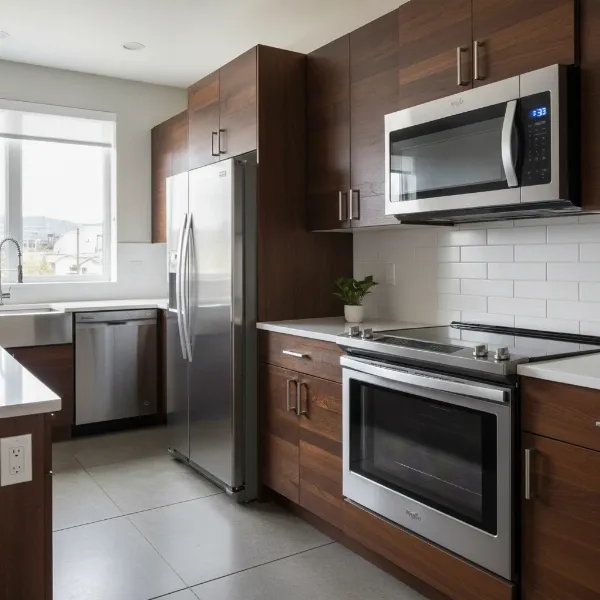 A modern kitchen featuring a sleek, built-in sensor microwave integrated seamlessly into the cabinetry.
Useful Features of Sensor Microwaves
Beyond the core sensor cooking capabilities, many modern microwaves offer additional features that enhance convenience and functionality:
- Inverter Technology: Unlike conventional microwaves that cycle power on and off, inverter technology delivers a continuous, consistent stream of power. This results in more evenly cooked food, better texture, and efficient defrosting without partially cooking the food.
- Specific Sensor Programs: While the general sensor cook function is versatile, many models include specific sensor presets for items like popcorn, baked potatoes, frozen vegetables, or specific types of reheats (e.g., beverages, dinner plates). These are finely tuned for optimal results for those particular foods.
- Auto Defrost/Reheat: These are specialized sensor programs designed to precisely thaw frozen foods or perfectly reheat leftovers, preventing hot spots and cold spots.
- “Add 30 Seconds” or Express Cook: These buttons offer quick one-touch starts, usually at full power, for adding short bursts of cooking time.
- Keep Warm Function: Some models can hold food at a serving temperature for a period after cooking, a handy feature for busy households.
- Child Safety Lock: A crucial safety feature that prevents accidental operation, especially important in homes with young children.
- Mute Function: Allows you to silence beeping sounds, useful for late-night snacks without disturbing others.
- Easy-to-Clean Interior: Interiors made of ceramic enamel or nonstick coatings are often easier to wipe clean than standard painted metal. A dishwasher-safe turntable also simplifies cleanup.
Care and Maintenance for Your Sensor Microwave
Proper care and maintenance will extend the life of your microwave and ensure its sensor cooking functions remain accurate.
- Regular Cleaning: Wipe down the interior and exterior regularly with a damp cloth and mild detergent. Food splatters can build up and affect sensor performance over time, as well as harbor bacteria. For stubborn stains, a paste of baking soda and water can be effective.
- Odor Removal: If odors persist, place a microwave-safe bowl with water and a few tablespoons of vinegar or lemon juice inside. Heat until boiling, then let it sit for 5-10 minutes with the door closed before wiping clean.
- Turntable Care: If your microwave has a removable glass turntable, wash it regularly (many are dishwasher-safe).
- Avoid Abrasives: Do not use abrasive cleaners or scrubbers on the interior, as these can damage the finish and potentially interfere with sensor readings.
- Ventilation: Ensure the microwave’s vents are clear and unobstructed to prevent overheating and maintain efficient operation.
Safety Tips for Microwave Usage
While generally safe, it’s important to follow these guidelines when using any microwave oven:
- No Metal: Never place metal containers, aluminum foil, or dishes with metallic trim in the microwave. Metal can cause arcing (sparks) and potentially damage the appliance or start a fire.
- Use Microwave-Safe Cookware: Always use containers explicitly labeled “microwave-safe” or made of glass, ceramic, or certain plastics that are verified safe for microwave use. Avoid soft plastics, Styrofoam, and single-use plastic takeout containers, as they can leach chemicals into your food when heated.
- Avoid Overheating Liquids: Superheated liquids can violently erupt when disturbed. Stir liquids halfway through heating, and let them stand for a moment before removing.
- Puncture Foods with Skins: Before microwaving whole potatoes, eggs (in the shell), or other foods with tight skins, pierce them with a fork to allow steam to escape and prevent bursting.
- Monitor Food: Even with sensor cooking, it’s wise to keep an eye on your food, especially when trying new settings or dishes.
- Proper Placement: Place your microwave on a stable, level surface with adequate space around it for ventilation, away from heat sources and water.
- Do Not Operate When Damaged: If the door is bent, the latch is broken, or the microwave is otherwise damaged, do not use it. Have it inspected and repaired by a qualified technician. Never attempt to repair a microwave yourself.
- Read the Manual: Always consult your microwave’s owner’s manual for specific safety instructions, operating procedures, and recommended cookware.
Conclusion: Choosing the Perfect Smart Microwave for Your Kitchen
Microwaves with sensor cooking technology represent a significant leap forward in kitchen convenience, taking the guesswork out of daily cooking tasks. By automatically adjusting power and time based on the food’s needs, these smart appliances ensure consistent, perfectly heated results, prevent overcooking, and save you valuable time. From reheating leftovers to expertly preparing popcorn or steaming vegetables, a sensor microwave can streamline your meal preparation with unmatched precision.
When making your choice, consider your capacity needs, desired wattage, and the type of installation that best suits your kitchen. Brands like Toshiba, Panasonic, Farberware, GE Profile, and Whirlpool consistently offer reliable models with excellent sensor capabilities. Investing in a microwave with this advanced technology means choosing less stress, less food waste, and more perfectly cooked meals.
Ready to experience the future of microwave cooking? Explore the latest models and find the sensor microwave that will transform your kitchen experience into one of effortless culinary success.
Frequently Asked Questions
What does “sensor cooking” mean on a microwave?
|
Our Picks for the Best Microwave oven in 2026
As an Amazon Associate I earn from qualifying purchases.
|
||
| Num | Product | Action |
|---|---|---|
| 1 | COMFEE' Retro Small Microwave Oven With Compact Size, 9 Preset Menus, Position-Memory Turntable, Mute Function, Countertop Perfect For Spaces, 0.7 Cu Ft/700W, Cream, AM720C2RA-A |

|
| 2 | TOSHIBA EM131A5C-BS Countertop Microwave Ovens 1.2 Cu Ft, 12.4" Removable Turntable Smart Humidity Sensor 12 Auto Menus Mute Function ECO Mode Easy Clean Interior Black Color 1000W |
|
| 3 | Chefman Countertop Microwave Oven 0.7 Cu. Ft., 700 Watts with 10 Power Levels, 6 Cooking Presets with One-Touch Express Cook, Eco Mode, Child Safety Lock, & Mute Button - Black |
|
| 4 | GASLAND 30 Inch Over-the-Range Microwave Oven, 1.7 Cu.Ft Over Stove Microwave, 1000W with 10 Power Levels, Sensor & One-Touch Cooking, 300 CFM Venting, LED Cooktop Light, Black Kitchen Microwave |
|
| 5 | TOSHIBA EM131A5C-SS Countertop Microwave Ovens 1.2 Cu Ft with 12.4" Removable Turntable Smart Humidity Sensor, 12 Auto Menus Mute Function ECO Mode Easy Clean Interior, 1000W, Silver |
|
| 6 | COMFEE' Retro Small Microwave Oven With Compact Size, 9 Preset Menus, Position-Memory Turntable, Mute Function, Countertop Microwave For Small Spaces, 0.7 Cu Ft/700W, Green, AM720C2RA-G |
|
| 7 | COMFEE CMO-C20M1WH Retro Microwave with 11 power levels, Fast Multi-stage Cooking, Turntable Reset Function Kitchen Timer, Speedy Cooking, Weight/Time Defrost, Memory function, Children Lock, 700W |
|
| 8 | COMFEE' EM720CPL-PMB Countertop Microwave Oven with Sound On/Off, ECO Mode and Easy One-Touch Buttons, 0.7cu.ft, 700W, Black |
|
| 9 | COMFEE' Retro Small Microwave Oven With Compact Size, 9 Preset Menus, Position-Memory Turntable, Mute Function, Countertop, Perfect For Small Spaces, 0.7 Cu Ft/700W, Red, AM720C2RA-R |
|
| 10 | BLACK+DECKER EM720CB7 Digital Microwave Oven with Turntable Push-Button Door, Child Safety Lock, 700W, Stainless Steel, 0.7 Cu.ft |
|
Sensor cooking on a microwave means the appliance uses built-in humidity or steam sensors to detect moisture released by food as it heats. It then automatically adjusts the cooking time and power level, ensuring your food is cooked perfectly without overcooking or undercooking, eliminating the need for manual guesswork.
Is sensor cooking better than manual microwave settings?
Yes, sensor cooking is generally considered better for many foods because it provides more precise and consistent results than manual settings. It adapts to the food’s specific needs, preventing common issues like cold spots or dried-out edges, which can occur with fixed time and power settings.
What kind of food can I cook with sensor cooking?
Sensor cooking is versatile and works well for a wide range of foods, including reheating leftovers, cooking vegetables, baking potatoes, popping popcorn, and preparing frozen meals. It’s particularly effective for dishes where consistent moisture and temperature are key to achieving optimal results.